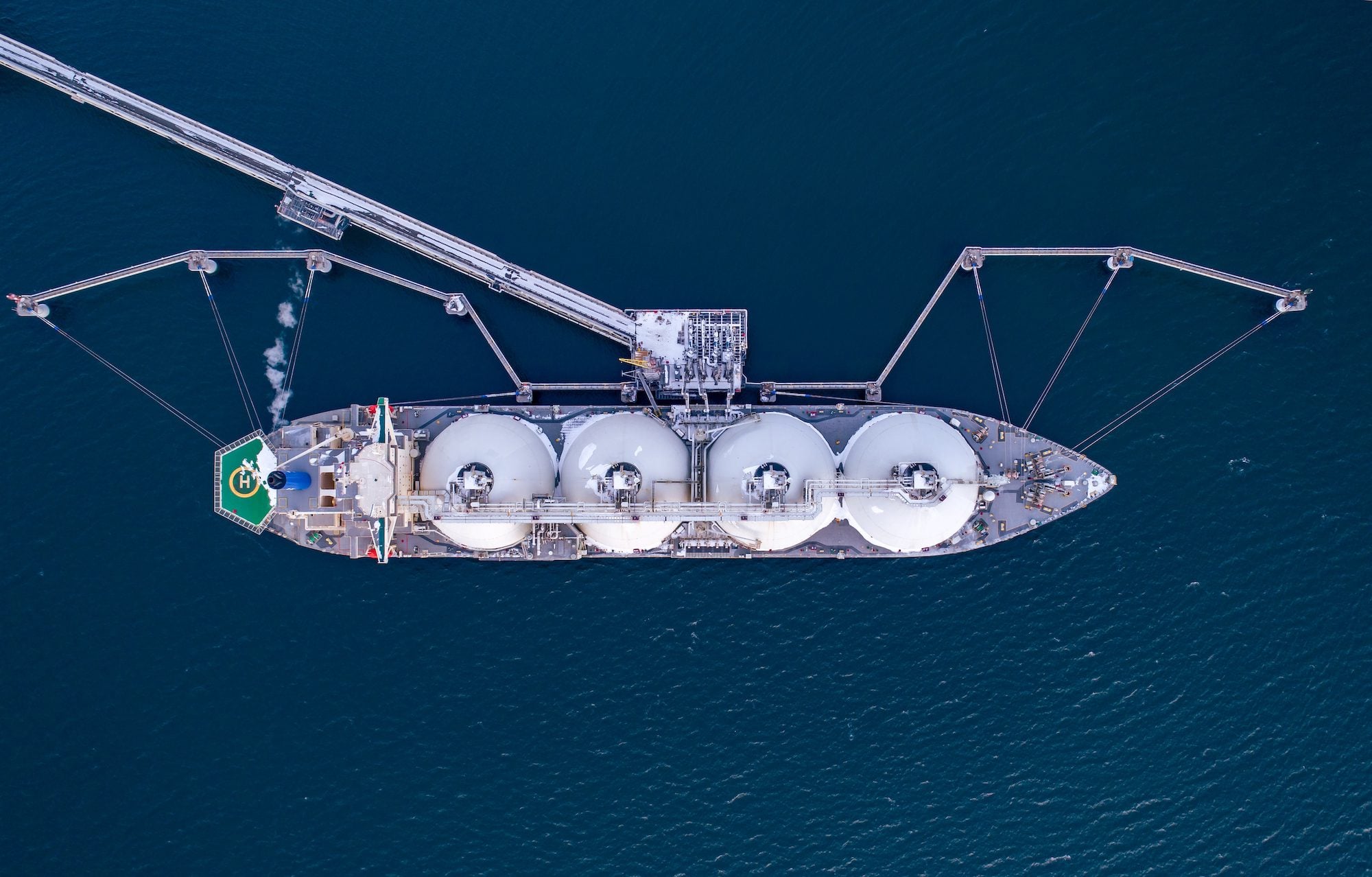
The US Maritime Administration (MARAD) has approved the deepwater port licence application for ST LNG’s proposed $8.2bn offshore export facility near Matagorda, Texas, gCaptain reported. Transport Secretary Sean Duffy announced the decision on Wednesday, advancing a development expected to start construction in 2027 and enter service in 2029.
Located approximately 10.4 miles offshore, the project would provide up to 8.4 million tonnes a year of LNG export capacity. According to Department of Transportation (DOT) estimates reported by gCaptain, it could increase US LNG export capacity by 7% to 9% and support 2,000 construction jobs and up to 855 permanent positions.
The approval follows a change in federal oversight that made MARAD the lead agency for deepwater port environmental reviews and licensing, replacing the Coast Guard in that role. The Coast Guard remains responsible for maritime safety and security, vessel traffic, facility design and operational oversight. MARAD administrator Stephen Carmel described ST LNG as the agency’s third deepwater port approval under the Trump administration.
DOT said MARAD completed the project’s final environmental impact statement in 410 days, about 3.7 years quicker than the historical average and a 70% reduction in review time. The administration characterised the licensing review as the fastest in more than two decades. DOT attributed the shorter process to removing duplicated administrative steps, simplifying decisions and strengthening inter-agency coordination.
The development comprises four liquefaction systems, each designed to produce 2.1 million tonnes annually. Full buildout would include 20 offshore platforms, four floating LNG storage units, four vessel mooring systems and approximately 7.7 miles of pipeline. Feedgas would come from the Tres Palacios Natural Gas Storage and Trading Hub and the Williams Markham Gas Processing Plant through existing pipeline infrastructure.
Processing and loading offshore is intended to keep LNG carriers away from congested coastal port facilities, reducing waterway traffic and potential collision risks. While the licence application approval advances the project, construction and commercial operations remain ahead. As gCaptain noted, whether faster federal reviews lead to more operating offshore terminals will be the broader test of the revised licensing arrangements.