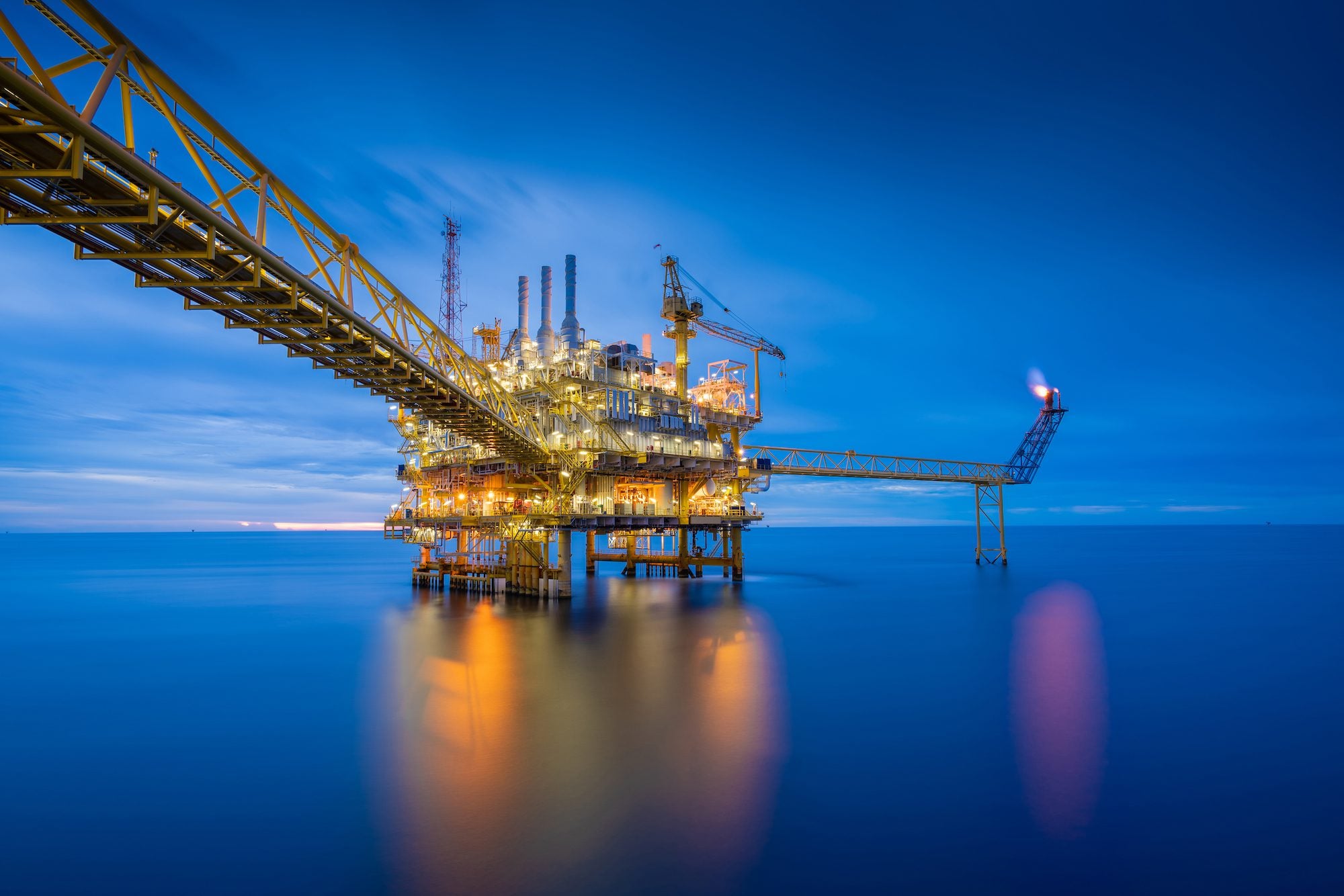
Britain has approved the long-delayed Jackdaw gas development in the North Sea, citing energy security as it seeks to reconcile domestic production with its climate commitments. According to a Reuters report carried by gCaptain, energy minister Miatta Fahnbulleh said supplies would start by the end of the month, with the government presenting the project as a response to energy costs that have risen during the Iran war.
The government estimates that Jackdaw will increase British gas production by around 6% at its peak and could operate for as long as 11 years. Planned peak output is 40,000 barrels of oil equivalent a day. Reuters calculations using government figures put that volume at slightly less than 4% of the country’s daily gas consumption, distinguishing its contribution to national demand from its share of domestic production.
Approval comes as higher energy bills put pressure on households, businesses and the wider economy. Prime Minister Andy Burnham, who took office in July, has faced competing demands to bring down costs and curb fossil fuel use. US President Donald Trump has repeatedly pressed him to increase North Sea drilling and welcomed the Jackdaw decision, the report said.
Alongside the approval, ministers unveiled an Energy Wealth Fund with an initial £2 billion investment, intended to channel oil and gas revenues into the shift towards cleaner energy. Fahnbulleh maintained that bringing Jackdaw online was consistent with Britain’s legally binding 2050 net-zero target. The announcement followed what the report described as the country’s hottest summer on record.
A decision on Rosebank, the larger development expected to produce 70,000 barrels of oil equivalent a day, mainly oil, remains outstanding. Both projects required fresh applications after successful court challenges over whether their permits accounted for emissions from consuming their hydrocarbons. Fahnbulleh contrasted Jackdaw’s domestic gas market with Rosebank’s predominantly export-oriented oil production.
Jackdaw is operated by Adura, the joint venture between Shell and Norway’s Equinor. Shell welcomed the approval and stressed the importance of stable investment conditions and predictable regulation. The report cautioned that even bringing both fields into production would do little to arrest the North Sea basin’s long-term decline.