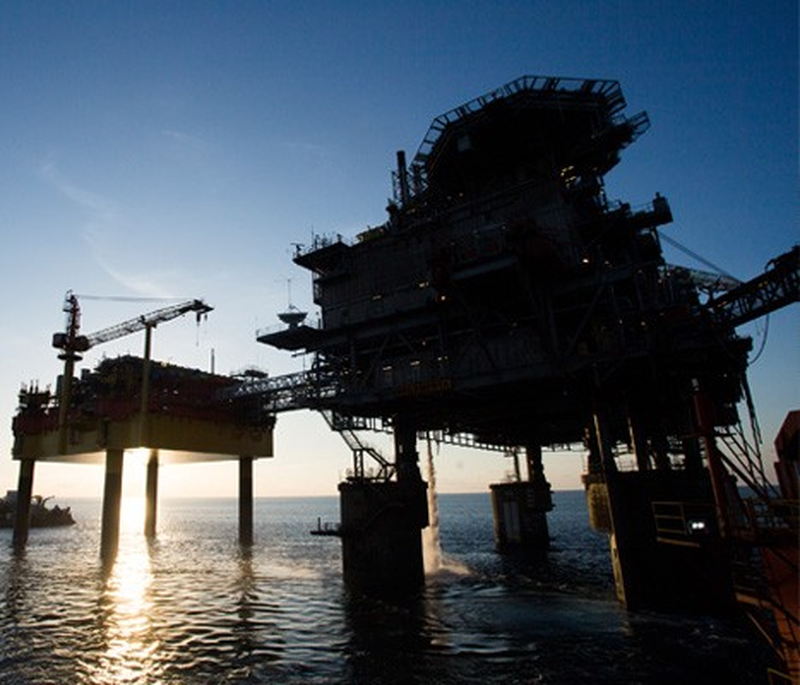
Prime Energy Resources Development has started gas flows from two new deepwater wells off Palawan in the Philippines, bringing additional domestic supply into the Malampaya production system. Offshore Energy reported that the Malampaya Phase 4 development connects the Malampaya East-1 and Camago-3 wells to existing facilities, supporting gas-fired power generation serving the Luzon grid.
The project, which required investment of nearly $1 billion, adds an estimated 222 billion cubic feet of recoverable natural gas. According to the report, that volume could generate approximately 31.46 billion kilowatt-hours of electricity, equivalent to the annual needs of 13.11 million Filipino households. President Ferdinand R. Marcos Jr., energy department officials and SC 38 joint venture partners attended a ceremonial first-gas event at the onshore plant in Batangas City on 5 November.
Completed 27 months after the final investment decision, the development finished about five months ahead of its original timetable, Offshore Energy said. It involved drilling the two wells and installing subsea connections to the existing production platform. The campaign was the Philippines’ first offshore drilling programme in more than a decade and drew on a supply chain spanning 17 countries, alongside Philippine fabrication and manufacturing capacity.
Initial well tests indicate that the additional reserves could extend Malampaya’s producing life by around six years, although that will depend on future gas offtake. Integration and production ramp-up will continue over the coming months, with sustainable output levels to be determined from operating data. Gas from offshore Palawan passes through Malampaya’s transmission infrastructure to Batangas and the power stations supplying Luzon.
The expansion also offers a domestic alternative to imported fuel. Prime Energy, as cited by Offshore Energy, said Malampaya gas had retained a price advantage over imported spot LNG over the past decade, exceeding $4 per million British thermal units at various points. The company cautioned that electricity tariffs also depend on plant operations, market conditions, generation costs and supply agreements. Since commercial operations began in 2001, Malampaya has supplied plants supporting roughly one-fifth of Luzon’s electricity requirements, while SC 38 has generated more than $14 billion in Philippine government revenue.