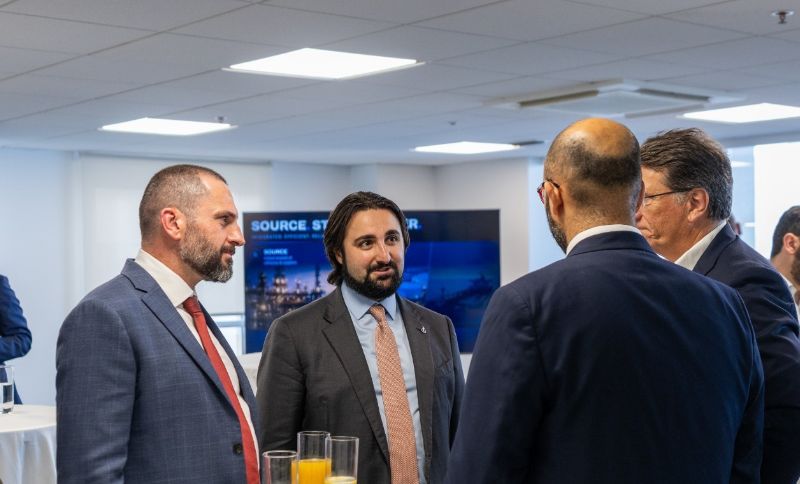
Alkagesta said banking facilities and trade finance lines provided by its partners together exceeded US$1bn, highlighting the funding support at its Banking Partners Summit in Malta on 2 October. In its account of the event, the company described those arrangements as a basis for further expansion of its international trading business and operations in Malta.
The full-day gathering took place at Alkagesta’s Malta headquarters. According to the company, participants included representatives of financial institutions from Switzerland, the Netherlands, Austria, the United Kingdom and Malta, together with clearing partners and local industry and government stakeholders. Discussions covered commodity trading, trade finance, risk management and compliance, as well as Malta’s development as a centre for international trading activity.
The programme combined presentations at the company’s offices with a visit to the Evos Malta terminal and discussions with the terminal’s management. It ended with a gala dinner intended to support professional contacts and consideration of future collaboration. The terminal visit formed part of a broader programme bringing financial institutions into contact with participants in Malta’s trading and logistics sector.
Alkagesta linked its banking relationships to transparency, regulatory compliance and prudent risk management, presenting access to finance as important to the execution of its trading strategies. It also highlighted the contribution of clearing partners, saying their services provided market access and risk coverage in support of trading and hedging. Those descriptions reflect the company’s own assessment of its financial relationships and controls.
The company also argued that Malta offered an attractive base for commodity trading and trade finance, citing European Union membership, its regulatory framework, financial services infrastructure and network of logistics and storage businesses. Alkagesta characterised the summit as an opportunity to develop lasting relationships among banks, clearing institutions, terminal operators and local stakeholders, with an emphasis on managing risk and supporting continued growth in international commodity commerce.