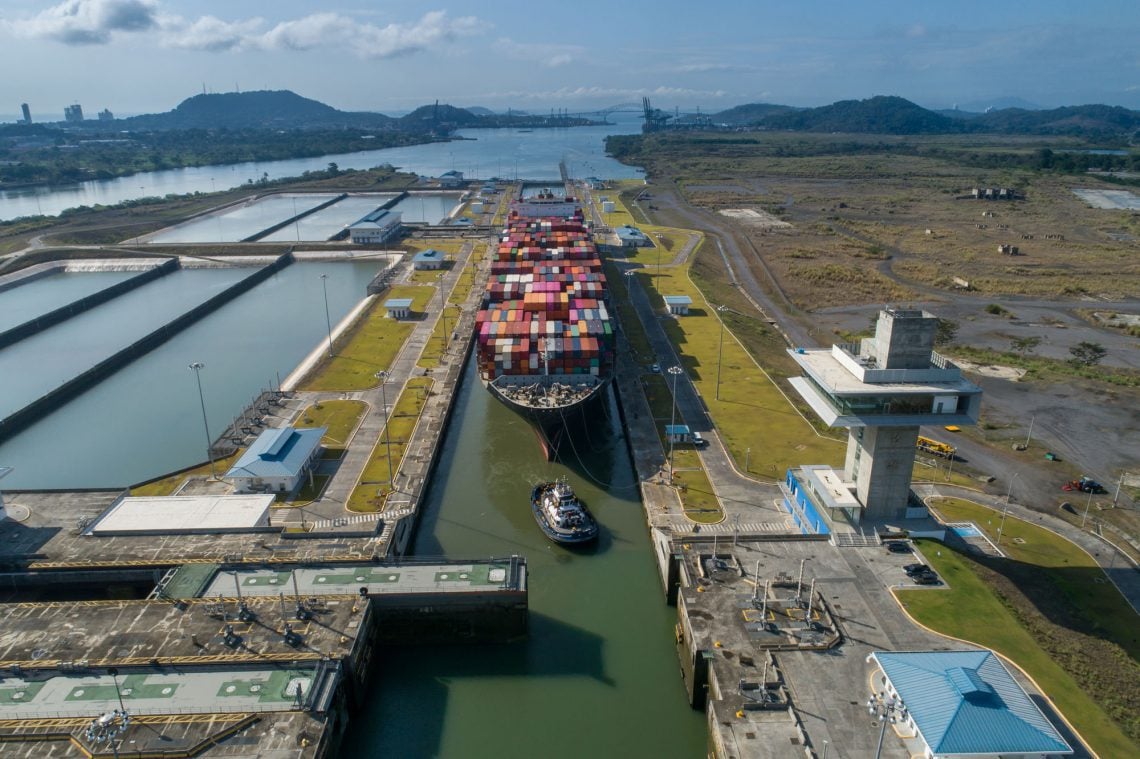
The Panama Canal recorded higher vessel traffic, tonnage and revenue in fiscal 2026, supported by demand from energy carriers and containerships, gCaptain reported. Alongside the results, the Panama Canal Authority reinstated its Last-Minute Reservation service for Panamax vessels, although freshwater availability remains a constraint on operating decisions as El Niño develops.
Authority figures cited by gCaptain showed 13,951 vessel transits in the year ended 30 September, an increase of 4.1% from 13,404 a year earlier. Tonnage rose 6.5% to 521 million Panama Canal Universal Measurement System (PC/UMS) tons, against 489.2 million in fiscal 2025. Neopanamax traffic contributed 52.2% of overall tonnage, with volumes passing through those locks growing 8.2% year on year.
The authority linked the expansion to stronger energy-sector shipping demand, containership activity and changes in international trade patterns. Revenue increased faster than traffic or tonnage, rising 16.6% to approximately $6.6 billion, although the financial results have not yet been audited. Despite pressure on water supplies, the canal kept its maximum authorised draught at 50 feet throughout the fiscal year’s dry season.
The restored Panamax service takes immediate effect and gives ships without reservations an opportunity to book a transit when a slot becomes available. Additional capacity is not guaranteed: the canal retains discretion over whether to make it available. According to gCaptain, the change followed better watershed conditions, with recent rainfall nearing average levels and conservation measures helping preserve water supplies.
The booking change follows earlier restrictions prompted by below-normal rainfall. The canal also recently raised daily booking capacity to 33 slots, including 10 for Neopanamax vessels, effective 15 October. Nevertheless, the authority has cautioned that a persistent water deficit could necessitate further changes to operations, particularly if El Niño strengthens.
Longer-term water security was also discussed during a conference call hosted by Bank of America Merrill Lynch. Canal executives outlined infrastructure investment plans, including the proposed Río Indio Lake Project. That scheme forms part of the Vision 2025–2035 development programme, which aims to improve resilience and preserve the canal’s competitiveness as shipping patterns change.